



There's nothing quite like the sound of a samosa cracking open: that thin, flaky pastry shell giving way to a warm, spiced filling underneath. It's one of the most beloved snacks in South Asian cuisine, and while it looks like something only a professional cook could pull off, making samosas at home is genuinely doable with a little patience and the right technique.
This guide walks through the whole process, from the dough to the fold to the fry, so you can make a batch of samosas from scratch. And if you get partway through and decide you'd rather skip straight to the eating part, that's exactly what a freezer full of Nana's Kitchen samosas is for.
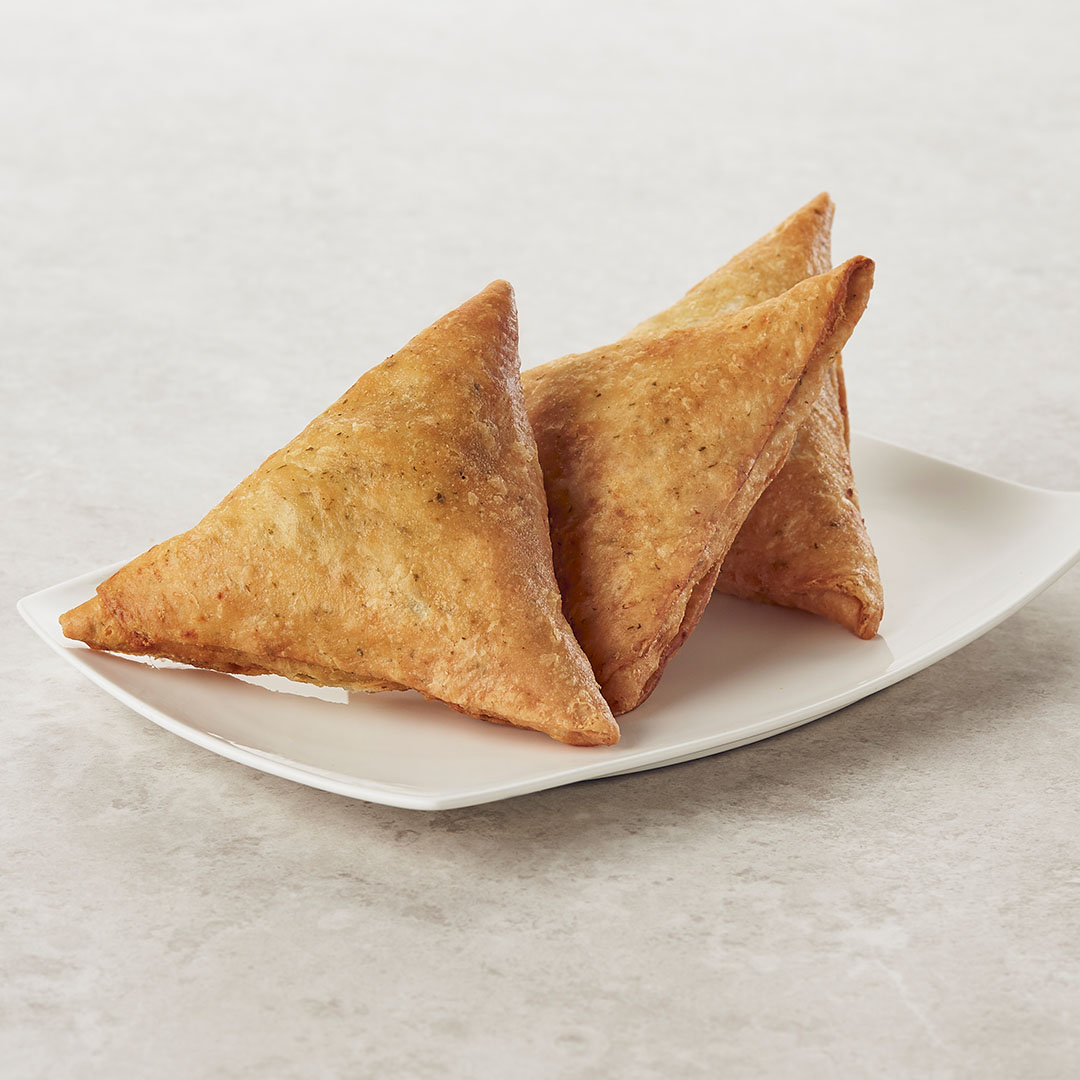
What You Need to Make Samosas
Samosas come down to two components: the dough (sometimes called the pastry or shell) and the filling.
For the dough, you'll need all-purpose flour, a bit of salt, carom seeds (ajwain) if you have them for that traditional flavour, oil or ghee, and cold water to bring it together.
For a classic vegetable filling, the staples are boiled and mashed potatoes, green peas, and a blend of whole and ground spices: cumin seeds, coriander, garam masala, turmeric, ginger, green chili, and a squeeze of lemon at the end. From there, oil for frying (or your air fryer or oven, if you're going that route) and a small bowl of water for sealing the pastry finish the list.
How to Make the Samosa Dough
Start by mixing the flour, salt, and carom seeds in a bowl. Rub in the oil or ghee with your fingers until the mixture looks like coarse breadcrumbs, this is what gives the shell its flaky texture once it's cooked.
Add cold water a little at a time, kneading until you have a firm, smooth dough. It should be stiffer than a typical bread dough; too soft and the shell won't hold its shape or crisp up properly. Cover it and let it rest for at least 20-30 minutes. This resting time relaxes the gluten and makes the dough much easier to roll out later.
How to Make the Filling
While the dough rests, boil your potatoes until just fork-tender, then let them cool slightly before mashing them coarsely, some texture is good here, you don't want a smooth mash.
Heat oil in a pan and add cumin seeds until they sizzle, then stir in ginger and green chili. Add the peas and dry spices, cook for a minute to let them bloom, then fold in the mashed potatoes. Adjust the salt and lemon juice to taste, then set the filling aside to cool completely before using it, warm filling will make the dough soggy and harder to seal.
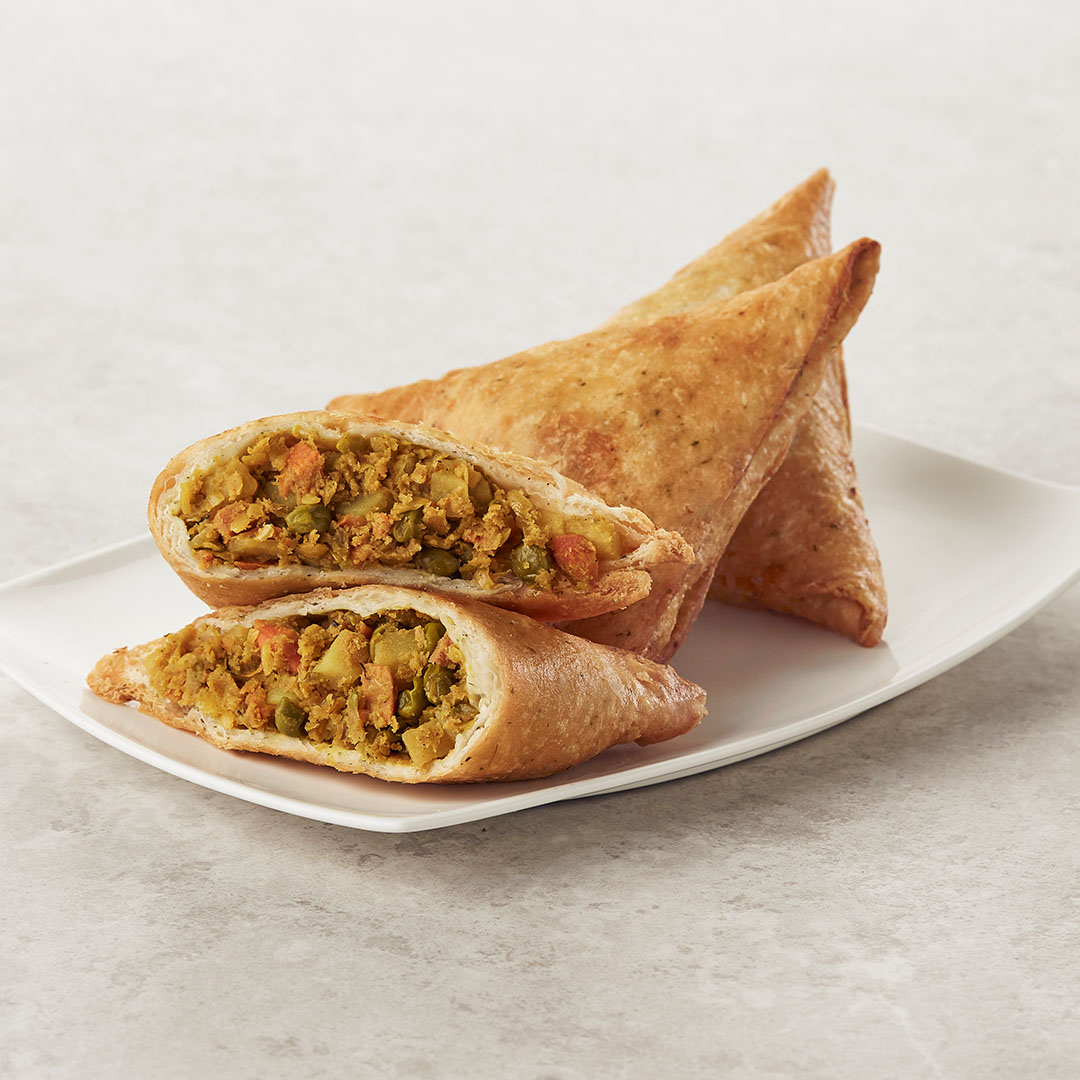
How to Fold Samosas
This is the part that intimidates people most, but it's really just a repeatable pattern once you've done it a couple of times.
Roll the dough into a thin circle and cut it in half to make two semicircles. Take one half, fold it into a cone shape, sealing the straight edge with a little water so it holds together. Spoon in the filling, then seal the open edge of the cone with more water, pressing along the seam and pinching or crimping it closed. Repeat until the dough and filling are used up.
A little water goes a long way as glue here, and a good seal is what keeps the filling from leaking out during cooking, so take an extra few seconds on that step.
How to Cook Samosas
You have three solid options, depending on what you're going for:
- Deep frying: the traditional method. Heat oil to around 325-350°F (165-175°C) and fry the samosas in batches until golden brown and crisp, turning occasionally, about 8-10 minutes. This gives the most classic, shatter-crisp texture.
- Baking: brush the samosas with a little oil and bake at around 400°F (200°C) for 20-25 minutes, flipping halfway, for a lighter version with less mess.
- Air frying: a good middle ground, similar crispness to frying with a fraction of the oil, typically around 375°F (190°C) for 12-15 minutes for raw, uncooked samosas (frozen, pre-made samosas cook much faster, closer to 5-7 minutes, since the filling's already cooked).
Tips for Perfect Samosas Every Time
A few small things make a big difference: keep your dough covered with a damp cloth while you work so it doesn't dry out, make sure your filling is fully cooled before assembling, and don't overfill each samosa, it makes sealing harder and increases the odds of a blowout in the oil. If you're frying, don't crowd the pot; a few at a time keeps the oil temperature steady and the shells evenly golden.
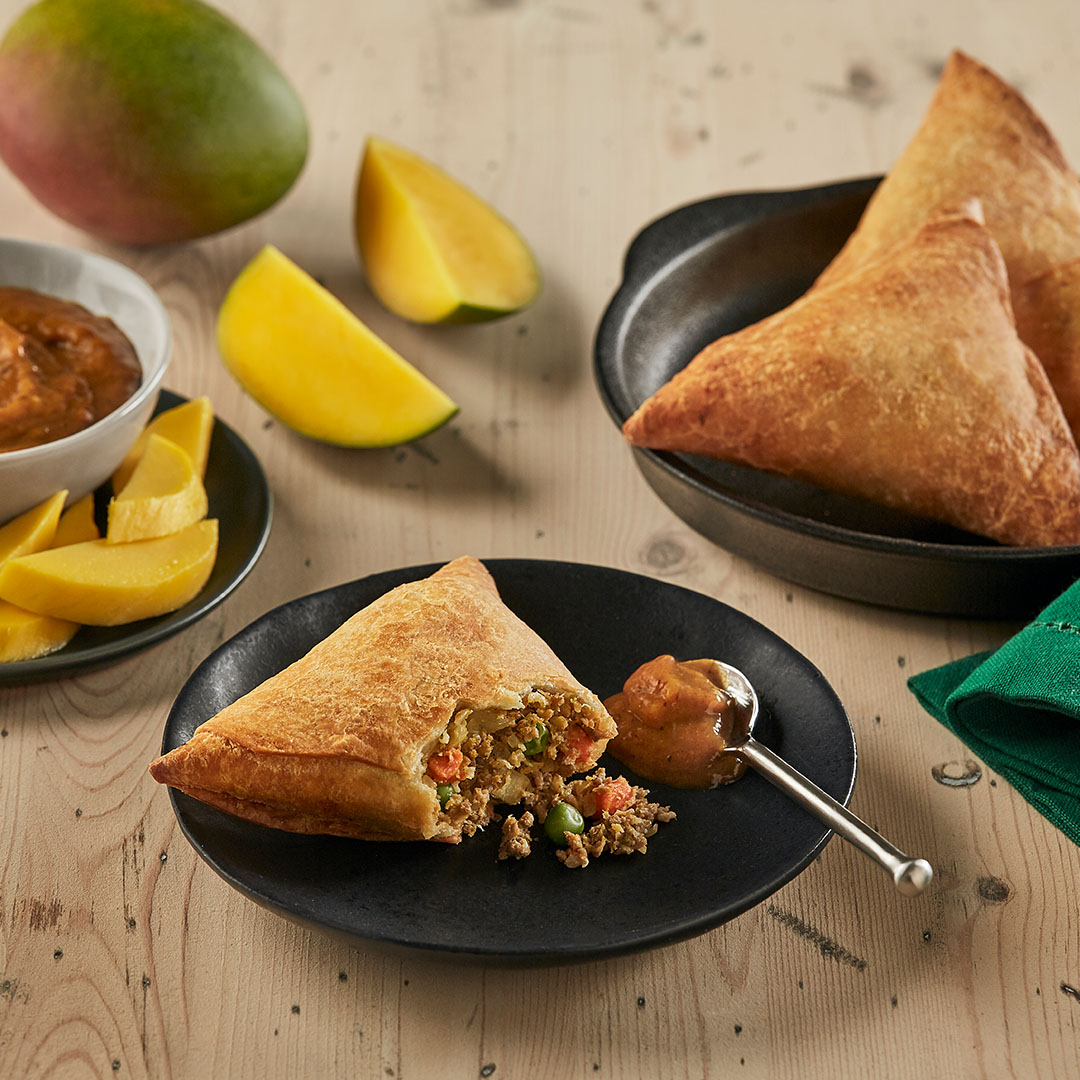
Short on Time? Try Nana's Kitchen Samosas Instead
Making samosas from scratch is genuinely rewarding, but it's also a project: the dough, the filling, the folding, it adds up. When you want that same flaky, spiced experience without the prep, Nana's Kitchen's Traditional Vegetable Samosa, Chicken Samosa, and Butter Chicken Samosa are hand-folded, frozen at their peak, and ready to go straight from your freezer to your oven or air fryer.
Frequently Asked Questions
Can you bake samosas instead of frying them?
Yes. Baking at around 400°F (200°C) for 20-25 minutes gives you a lighter version with a slightly less crisp shell than frying.
Can you freeze homemade samosas?
Yes, freeze them unfried on a tray until solid, then transfer to a bag. Cook straight from frozen, adding a few extra minutes to whatever method you use.
Are samosas vegetarian?
The classic potato-and-pea version is, but samosas can be filled with meat, paneer, or other fillings, so it depends on the recipe.
What's the best oil for frying samosas?
A neutral, high-smoke-point oil like vegetable or sunflower oil works best, since it won't compete with the spices in the filling.
Why did my samosas burst open while cooking?
Usually an incomplete seal or overfilling. Make sure the edges are pressed firmly closed with water before cooking.
From Our Kitchen to Yours
Whether you make them from scratch or reach for the freezer, a good samosa is worth the wait, crispy on the outside, warm and spiced on the inside, and best shared with people you love.
